


The Role of User Feedback in Shaping Successful App Updates
In the fast-paced world of app development, creating an application is only the beginning. Continuous improvement through regular updates is crucial to maintain user satisfaction and app performance. At the heart of these improvements lies a powerful tool: user feedback. Understanding and leveraging user feedback can transform the way developers approach app updates, ensuring that the changes made resonate with the needs and expectations of the user base.
Understanding User Feedback
User feedback encompasses all the information provided by users about their experiences with an app. This feedback can be collected through various channels such as in-app surveys, app store reviews, social media interactions, and direct emails. Each channel offers unique insights into different aspects of the app’s performance and user satisfaction.
App developers must recognize that user feedback is not just a collection of complaints or praises. It is a vital resource that can reveal common user challenges, highlight desired features, and identify bugs or issues that may have gone unnoticed during the initial development phase. By actively listening to this feedback, developers can make informed decisions about future updates.
The Benefits of Incorporating User Feedback
Integrating user feedback into the app update process offers numerous benefits. Firstly, it fosters a sense of community and trust between developers and users. When users see their feedback being acknowledged and acted upon, they are more likely to feel valued and continue using the app.

Moreover, user feedback can significantly enhance an app’s functionality and user experience. By addressing common pain points and implementing requested features, developers can create a more intuitive and satisfying user experience. This, in turn, can lead to increased user retention and app popularity.
Lastly, incorporating user feedback can provide a competitive advantage. Apps that are responsive to user needs are more likely to stand out in a crowded market. This responsiveness can also lead to positive reviews and word-of-mouth recommendations, further boosting the app’s reputation and reach.
Steps to Effectively Use User Feedback
To effectively utilize user feedback, developers should follow a systematic approach. The first step is to collect feedback from a variety of sources. This could include setting up feedback forms within the app, monitoring app store reviews, and engaging with users on social media platforms.
Once feedback is collected, it is important to analyze and categorize it. Developers should look for common themes and prioritize issues based on their impact on user experience. Tools such as sentiment analysis can be used to gauge the overall tone of the feedback and identify areas that require immediate attention.
After analysis, developers should communicate their findings and plans to the user base. Transparency is key in maintaining trust. Letting users know which issues are being addressed and which features are being considered for future updates can enhance user engagement and satisfaction.
Finally, developers should implement the changes and continue to seek feedback. The process of collecting and responding to user feedback should be ongoing, allowing developers to continually refine and improve the app.
Case Study: Successful Use of User Feedback
Consider the case of a popular productivity app that decided to leverage user feedback to improve its offerings. Initially, the app received mixed reviews with users praising its core functionality but criticizing its interface and lack of certain features. Recognizing the importance of user feedback, the development team prioritized the most common user requests.
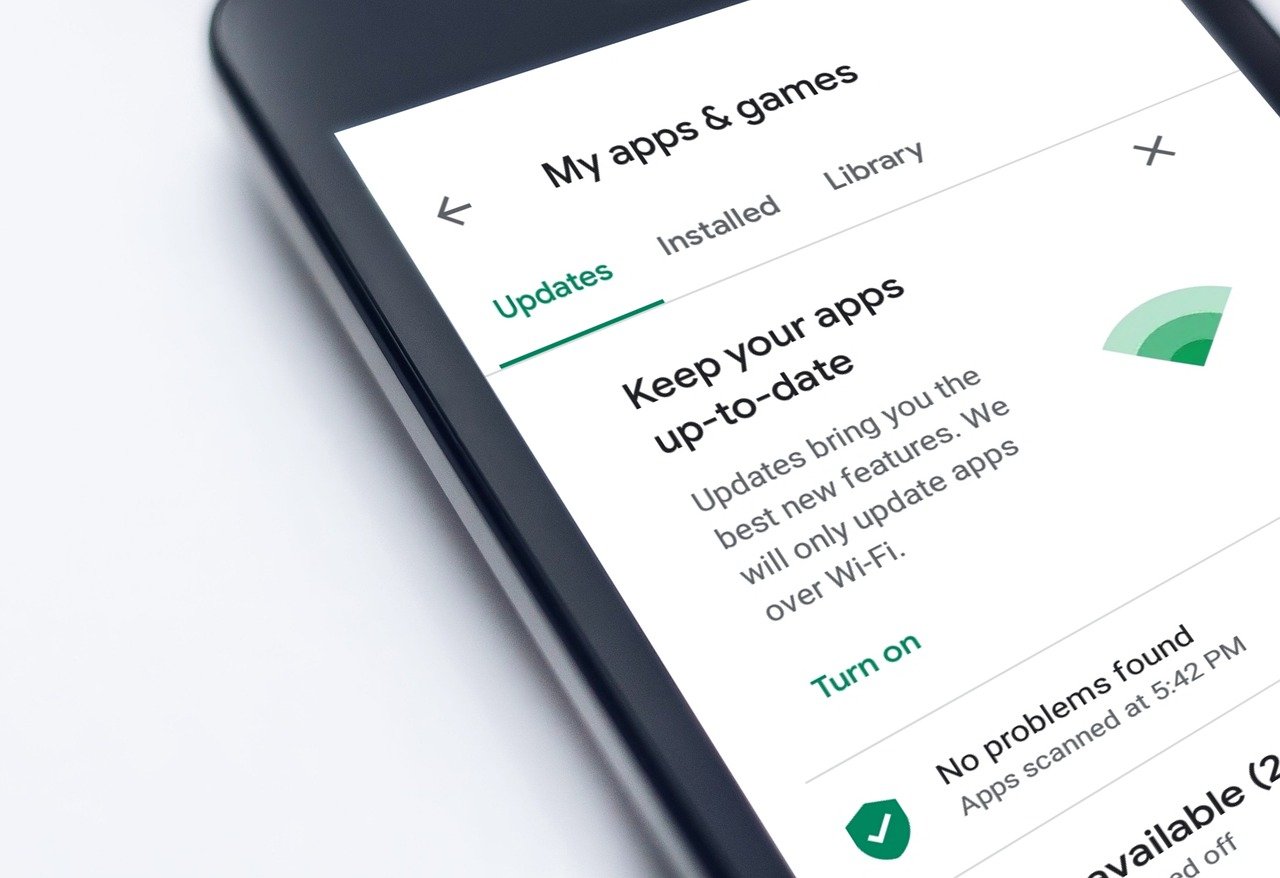
They introduced a revamped user interface and added new features such as customizable themes and integration with other productivity tools. These updates were directly influenced by user feedback, and as a result, the app saw a significant increase in positive reviews and user engagement. This case exemplifies how listening to users can lead to successful app updates and a stronger market position.
Challenges in Implementing User Feedback
While user feedback is invaluable, implementing it is not without challenges. One major challenge is filtering out noise from constructive criticism. Not all feedback will be actionable or relevant, and developers must discern which suggestions align with the app’s goals and capabilities.
Another challenge is balancing user requests with technical feasibility and resource constraints. Developers may receive requests for features that are difficult to implement or require significant changes to the app’s architecture. In such cases, developers must evaluate the potential benefits against the costs and complexity involved.
Moreover, there is the challenge of managing user expectations. While it is important to acknowledge user feedback, developers must communicate clearly about what is feasible and set realistic timelines for updates.
Future Trends in User Feedback Utilization
As technology advances, the methods and tools for collecting and analyzing user feedback are expected to evolve. Artificial intelligence and machine learning are increasingly being used to analyze large volumes of feedback and extract meaningful insights. This can help developers identify trends and patterns more efficiently, leading to more targeted and effective updates.

Additionally, the integration of real-time feedback mechanisms within apps is likely to become more common. This allows developers to gather immediate user input and address issues as they arise, further enhancing the user experience.
Moreover, the growing emphasis on personalized user experiences means that feedback will play an even more critical role in shaping app updates. Developers will increasingly rely on feedback to tailor app features and functionality to individual user preferences.
Takeaways
User feedback is a cornerstone of successful app updates. By actively engaging with users and incorporating their insights, developers can create apps that not only meet but exceed user expectations. While challenges exist, the benefits of leveraging user feedback far outweigh the obstacles. As the app development landscape continues to evolve, the role of user feedback will remain crucial in shaping the future of app updates.
For developers looking to harness the power of user feedback, it is essential to establish robust feedback collection and analysis processes. By doing so, they can ensure that their apps remain relevant, competitive, and user-friendly in an increasingly dynamic digital environment.
Best Practices for Collecting User Feedback
To maximize the benefits of user feedback, developers should adhere to several best practices when collecting and utilizing this information. First, they should ensure that the process of providing feedback is as seamless as possible. This might involve incorporating short surveys directly within the app or enabling users to give feedback with just a few taps. A user-friendly feedback mechanism encourages more users to share their thoughts.

Secondly, developers should aim to provide multiple channels for feedback. While in-app feedback is essential, not all users will choose to provide feedback through the app itself. Utilizing social media, email, and app store reviews can capture a broader range of opinions and insights. Moreover, developers should regularly monitor these channels to stay updated on user sentiment.
Another best practice is to close the feedback loop. Users who take the time to provide feedback appreciate knowing that their input is valued. By responding to user feedback, even if it’s just a simple acknowledgment, developers can strengthen user relationships and demonstrate a commitment to improvement.
Using Feedback to Drive Innovation
Beyond addressing issues and implementing requested features, user feedback can be a catalyst for innovation. By understanding user behavior and preferences, developers can identify opportunities to introduce groundbreaking features that users may not have explicitly requested but would find valuable.
For instance, a fitness app might gather feedback indicating that users are looking for more ways to stay motivated. Drawing from this insight, developers could innovate by incorporating gamification elements, such as challenges or leaderboards, to enhance user engagement. This goes beyond merely responding to existing requests and instead uses feedback as a springboard for creative solutions.
The Role of Feedback in Agile Development
Incorporating user feedback aligns well with agile development methodologies, which emphasize iterative progress and responsiveness to change. Agile development encourages regular releases and updates, making it conducive to integrating feedback quickly and effectively.

During each sprint, developers can focus on a specific set of feedback-driven improvements. This allows for rapid testing and deployment of changes, ensuring that the app evolves in alignment with user needs. As a result, agile development models can make the process of responding to user feedback more structured and efficient.
Measuring the Impact of Feedback-Driven Updates
After implementing updates based on user feedback, it’s crucial to measure their impact. Key performance indicators (KPIs) such as user retention rates, engagement levels, and app ratings can provide insights into how well the updates have been received. Additionally, soliciting post-update feedback can offer direct insights into user satisfaction with the changes.
Developers should also track any changes in the app’s performance metrics. For example, if a common bug was fixed, monitoring the app’s crash reports can help verify the effectiveness of the solution. By systematically measuring the impact of updates, developers can refine their approach to future feedback and updates.
Conclusion: The Path Forward
The role of user feedback in shaping successful app updates cannot be overstated. It is a dynamic and powerful tool that, when effectively harnessed, can lead to significant improvements in app quality and user satisfaction. By adopting a proactive approach to collecting and integrating user feedback, developers can ensure that their apps remain relevant and competitive in a rapidly changing digital landscape.
As app ecosystems continue to grow and evolve, the ability to listen and respond to users will be a defining factor in an app’s success. Developers who prioritize user feedback are not only investing in the current success of their apps but are also laying the groundwork for long-term growth and innovation. Embracing user feedback is not just a best practice; it is an essential strategy for any developer committed to delivering exceptional digital experiences.








Leave a Reply