


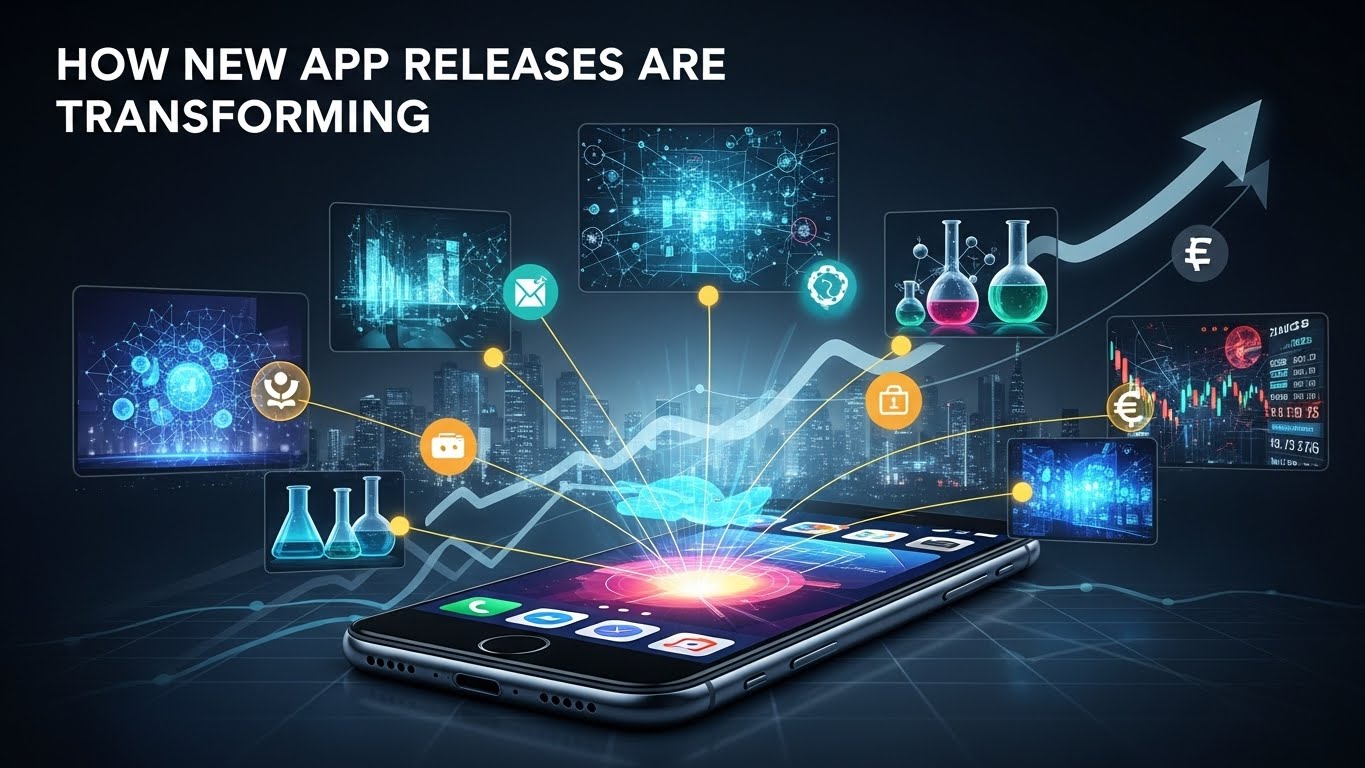
How New App Releases are Transforming the Healthcare Industry
In recent years, the healthcare industry has witnessed a seismic shift due to the rapid advancement of technology. The introduction of innovative apps is transforming how healthcare is delivered, managed, and experienced by both professionals and patients. These apps are playing a crucial role in enhancing the accessibility, efficiency, and quality of healthcare services. From telemedicine to AI-driven diagnostics, new app releases are revolutionizing the industry, making healthcare more patient-centric and data-driven. In this article, we will delve deeper into how these apps are transforming various aspects of the healthcare sector.
The Rise of Telemedicine Apps
Telemedicine apps have become a cornerstone in the healthcare industry, particularly in the wake of the COVID-19 pandemic. These apps allow patients to consult with healthcare providers remotely, eliminating the need for in-person visits. This innovation not only saves time and resources but also increases access to healthcare, especially for individuals in remote and underserved areas.
One significant advantage of telemedicine apps is their ability to offer real-time consultations and follow-ups. Patients can easily schedule appointments, receive medical advice, and even obtain prescriptions via secure digital platforms. According to a recent study, telemedicine usage increased by over 50% in 2020, highlighting its growing importance. For more detailed insights, consider reviewing how telemedicine is evolving globally.
AI-Powered Diagnostic Tools
Artificial Intelligence (AI) is at the forefront of healthcare innovation, with new apps harnessing its power to improve diagnostic accuracy and speed. AI-driven diagnostic tools can analyze vast amounts of medical data, including imaging and lab results, to identify patterns and anomalies that may be indicative of specific health conditions.
These intelligent apps are particularly beneficial in radiology, where they assist in the early detection of diseases like cancer. By providing healthcare professionals with decision support, AI tools enhance their diagnostic capabilities, leading to better patient outcomes. For further exploration of AI’s impact, you can explore this detailed analysis of AI in medical devices.

Personal Health Monitoring Apps
With the advent of wearable technology, personal health monitoring apps have gained popularity among consumers. These apps, often integrated with wearable devices, allow individuals to track vital health metrics such as heart rate, sleep patterns, and physical activity levels. This continuous monitoring empowers users to take charge of their health and make informed lifestyle choices.
Moreover, personal health apps often include features like medication reminders, goal setting, and health education resources. By compiling data over time, these apps provide users and healthcare providers with valuable insights into an individual’s health trends. For those interested in the broader implications of wearable technology, check out this comprehensive overview of wearable health technology.
Electronic Health Records and Patient Portals
The digital transformation of healthcare extends to the management of patient records through electronic health records (EHR) and patient portals. EHR systems streamline the storage and retrieval of patient information, facilitating seamless communication between different healthcare providers.
Patient portals, on the other hand, empower individuals by giving them direct access to their medical records, test results, and treatment plans. This transparency fosters greater engagement and collaboration between patients and healthcare providers, leading to a more personalized healthcare experience. To understand the advantages of EHR systems, consider reviewing the benefits highlighted by the Office of the National Coordinator for Health Information Technology.
Challenges and Future Prospects
Despite the tremendous benefits, the integration of new apps in healthcare is not without challenges. Data privacy and security remain significant concerns, as sensitive patient information must be protected from breaches and unauthorized access. Additionally, there is a need for regulatory frameworks to ensure the safety and efficacy of healthcare apps.
Looking forward, the future of healthcare apps is promising, with ongoing advancements in technology poised to address these challenges. As developers continue to innovate, we can expect even more personalized, efficient, and accessible healthcare solutions. The development of blockchain technology, for instance, offers potential solutions for secure data handling and sharing. For insights into future trends, you might find this article on healthcare tech trends enlightening.
Takeaways
The introduction of new apps in the healthcare industry is undeniably transforming the landscape of medical services. From telemedicine and AI-powered diagnostics to personal health monitoring and electronic health records, these technologies are paving the way for a more efficient, accessible, and patient-centered healthcare system. While challenges remain, the potential for these apps to improve healthcare delivery and outcomes is immense. As the industry continues to embrace digital transformation, staying informed about these developments will be crucial for both healthcare providers and patients alike.
The Role of Apps in Mental Health Care
Mental health is an area that has greatly benefited from the advent of healthcare apps. With increasing awareness and destigmatization of mental health issues, digital platforms have emerged as a vital resource for individuals seeking support and therapy. Mental health apps offer a variety of services, including cognitive behavioral therapy (CBT), mood tracking, meditation exercises, and peer support communities.
These apps provide users with the flexibility to access mental health resources at their convenience, which is particularly beneficial for those who may not have easy access to traditional therapy due to geographical or financial constraints. For those interested in the potential of digital mental health interventions, this resource on digital mental health provides a comprehensive overview.
Improving Chronic Disease Management
Chronic diseases such as diabetes, hypertension, and asthma require ongoing management and monitoring. Apps designed for chronic disease management help patients adhere to treatment plans by offering medication reminders, symptom trackers, and educational content about their condition.
By facilitating better self-management, these apps can lead to improved health outcomes and reduced hospital visits. They also allow healthcare providers to monitor patient data remotely, enabling timely interventions when necessary. For more details on how technology is aiding chronic disease management, explore this fact sheet on health apps provided by the CDC.
Enhancing Preventive Care
Preventive care is crucial in reducing the prevalence of diseases and improving overall population health. Apps focused on preventive care provide users with personalized health assessments, lifestyle recommendations, and screening reminders. By promoting healthy behaviors and early detection of potential health issues, these apps play a significant role in disease prevention.
For instance, apps that offer nutritional advice and exercise regimens can help combat obesity, while those that track vaccination schedules ensure timely immunizations. The impact of such preventive measures can be profound, reducing the burden on healthcare systems and improving quality of life. To learn more about preventive healthcare innovations, consider reading this initiative by the NIH.
User Experience and App Design
The success of healthcare apps largely hinges on their user experience (UX) and design. Intuitive interfaces, easy navigation, and engaging content are essential to ensure user satisfaction and adherence. Developers must focus on creating apps that are accessible to a diverse user base, including individuals with varying levels of digital literacy.
Moreover, incorporating user feedback into app development can lead to enhancements that better meet the needs of patients and healthcare providers. By prioritizing UX, developers can create more effective and widely-used healthcare solutions that truly enhance the patient experience.
Final Thoughts
As technology continues to advance, the potential for new app releases to transform the healthcare industry is boundless. These digital solutions are breaking down barriers to care, empowering patients, and enabling healthcare providers to deliver more personalized and efficient services. While challenges such as data security and regulatory compliance must be addressed, the benefits of healthcare apps are undeniable.
By staying informed about the latest app developments and understanding their impact, stakeholders in the healthcare industry can harness these tools to improve patient outcomes and drive positive change. The future of healthcare is digital, and apps are at the forefront of this exciting evolution.
Collaboration and Integration with Healthcare Systems
For healthcare apps to reach their full potential, seamless integration with existing healthcare systems is crucial. Effective collaboration between app developers, healthcare providers, and IT specialists ensures that apps complement traditional healthcare delivery methods, rather than compete with them.
Apps that integrate with electronic health records (EHR) systems can provide a more comprehensive view of a patient’s health, enabling better decision-making by healthcare providers. This integration allows for the synchronization of patient data, reducing redundancies and ensuring that healthcare teams have access to the most current information.
Moreover, partnerships between tech companies and healthcare institutions can lead to the development of customized solutions tailored to specific organizational needs. This collaborative approach can drive innovation and ensure that digital tools are aligned with clinical workflows and patient care objectives.
Regulatory and Compliance Considerations
As healthcare apps continue to proliferate, regulatory oversight becomes increasingly important to ensure their safety and effectiveness. Regulatory bodies such as the U.S. Food and Drug Administration (FDA) and the European Medicines Agency (EMA) have established guidelines for the development and deployment of medical apps.
Compliance with these regulations not only protects patients but also fosters trust in digital health solutions. Developers must stay informed about regulatory requirements and ensure that their apps meet the necessary standards for data security, privacy, and clinical validity.
By adhering to these guidelines, app developers can contribute to a safer digital health ecosystem and enhance the credibility of their products in the eyes of both healthcare professionals and patients.
The Role of Data Analytics and Big Data
Data analytics and big data play a pivotal role in the functioning of modern healthcare apps. By harnessing large datasets, these apps can provide valuable insights into population health trends, treatment efficacy, and patient behaviors.
Advanced data analytics can also facilitate predictive modeling, enabling healthcare providers to anticipate and prevent potential health issues. For example, apps that analyze patient data can identify individuals at risk for chronic diseases and suggest preventive measures to mitigate these risks.
Furthermore, big data allows for the continuous improvement of app functionality by analyzing user interactions and feedback. This iterative process ensures that apps remain relevant and effective in meeting the evolving needs of users.
Empowering Patients Through Education
Healthcare apps are not only tools for monitoring and diagnostics but also powerful platforms for patient education. By providing users with access to reliable health information and resources, these apps empower patients to make informed decisions about their healthcare.
Educational content within apps can cover a wide range of topics, from disease management and medication adherence to lifestyle modifications and preventive care. By enhancing health literacy, apps enable patients to take a more active role in their health journey.
This empowerment can lead to better health outcomes, as patients who are informed and engaged are more likely to adhere to treatment plans, attend regular check-ups, and adopt healthier behaviors.
Conclusion: A Digital Future for Healthcare
The transformation of the healthcare industry through new app releases is an ongoing and dynamic process. These digital tools are reshaping how healthcare is delivered, experienced, and managed, ultimately contributing to a more efficient and patient-centered system.
As technology continues to evolve, the possibilities for healthcare apps are limitless. With continued innovation, collaboration, and adherence to regulatory standards, these apps will play an increasingly integral role in improving global health outcomes.
Healthcare stakeholders, including providers, patients, developers, and policymakers, must work together to navigate this digital frontier and harness the full potential of healthcare apps. By doing so, they can create a future where quality healthcare is accessible to all, regardless of geographical or socio-economic barriers.


Leave a Reply