


Emerging Trends in Mobile Apps: What to Expect in 2022
As technology continues to evolve at a breakneck pace, mobile applications are at the forefront of innovation. With smartphones becoming an increasingly integral part of our lives, the demand for more sophisticated and user-friendly mobile apps is growing. The year 2022 is set to witness several emerging trends in mobile app development that promise to enhance user experiences, streamline operations, and introduce groundbreaking functionalities. In this post, we’ll explore these trends, providing insights into what developers and users can expect in the mobile app landscape.
1. The Rise of 5G Technology
The rollout of 5G technology is one of the most significant developments in the mobile industry. With its promise of faster data speeds, lower latency, and more reliable connections, 5G is set to revolutionize mobile app experiences. This technology will enable developers to create more complex and data-intensive applications without worrying about performance issues.
For instance, applications leveraging augmented reality (AR) and virtual reality (VR) will benefit greatly from 5G’s capabilities. These apps will be able to deliver real-time experiences with minimal lag, allowing for more immersive and interactive environments. Additionally, 5G will facilitate the rise of the Internet of Things (IoT), supporting a seamless integration of connected devices and mobile applications.
2. Artificial Intelligence and Machine Learning Integration
Artificial Intelligence (AI) and Machine Learning (ML) continue to be at the forefront of technological advancements, and their integration into mobile applications is becoming more prevalent. AI and ML can enhance user experiences by enabling personalized content, predictive analytics, and advanced security features.

For example, AI-driven chatbots are increasingly being integrated into mobile apps to provide better customer support and engagement. These chatbots are capable of understanding user queries and delivering relevant responses, improving user satisfaction and app usability. Similarly, ML algorithms can analyze user behavior to offer personalized recommendations, enhancing the overall app experience.
3. The Evolution of Mobile Commerce
The mobile commerce industry is rapidly evolving, with more consumers opting for mobile transactions due to their convenience and speed. In 2022, we can expect mobile apps to offer more sophisticated and secure payment options. Technologies such as biometric authentication, including fingerprint and facial recognition, will be more widely adopted to enhance security and streamline the payment process.
Additionally, mobile shopping statistics show a significant increase in the use of mobile wallets, such as Apple Pay and Google Wallet. These digital payment solutions are set to become more integrated into mobile apps, providing users with seamless and secure payment experiences.
4. Cross-Platform Development Tools
As the demand for mobile applications grows, developers are increasingly seeking efficient ways to build apps that work across multiple platforms. Cross-platform development tools, such as Flutter and React Native, are gaining popularity for their ability to streamline the development process and reduce costs.
These tools allow developers to write a single codebase that can be used for both iOS and Android platforms, significantly reducing development time. As a result, businesses can reach a wider audience without having to invest in separate apps for each platform. In 2022, we can expect further advancements in cross-platform development tools, making it easier for developers to create high-quality mobile apps.

5. Focus on App Security and Privacy
With the increasing amount of personal data being stored on mobile devices, app security and privacy are more critical than ever. Users are becoming more conscious of how their data is being used and are demanding greater transparency and control over their information.
In response, developers are implementing stricter security measures, such as end-to-end encryption and multi-factor authentication, to protect user data. Moreover, regulations like the General Data Protection Regulation (GDPR) and the California Consumer Privacy Act (CCPA) are pushing developers to prioritize data privacy in their apps. As we move into 2022, app security and privacy will remain a top priority for both developers and users.
6. The Growing Popularity of Wearable Apps
Wearable technology continues to gain traction, with devices like smartwatches and fitness trackers becoming more common. As a result, there’s a growing demand for mobile apps that can seamlessly integrate with these devices to provide users with real-time data and insights.
For example, health and fitness apps that sync with wearable devices can offer personalized workout plans, track vital signs, and monitor sleep patterns. As wearable technology advances, we can expect mobile apps to become more sophisticated in terms of functionality and integration, offering users a more comprehensive and connected experience.
7. Instant Apps for Seamless User Experience
Instant apps are gaining popularity due to their ability to provide users with a native app experience without requiring a full download. These lightweight apps allow users to access essential features and content quickly, improving user engagement and retention.

In 2022, we can expect more developers to adopt instant app technology, particularly for apps that require quick and frequent access, such as gaming, shopping, and utility apps. By reducing the need for large downloads and installations, instant apps offer a more convenient and efficient way for users to interact with mobile applications.
Takeaways
The mobile app industry is poised for significant growth and transformation in 2022, driven by emerging technologies and changing user expectations. From the advent of 5G and AI integration to the evolution of mobile commerce and cross-platform development, these trends will shape the future of mobile applications.
As developers continue to innovate and push the boundaries of what’s possible, users can look forward to more immersive, personalized, and secure mobile app experiences. By staying informed about these trends, businesses and developers can better position themselves to capitalize on the opportunities that lie ahead in the ever-evolving mobile app landscape.
For more information on mobile app trends, visit Gartner’s Technology Research and Forrester Research.
8. Blockchain Technology in Mobile Apps
Blockchain technology is not just limited to cryptocurrencies; its potential applications in mobile apps are vast and varied. In 2022, we can expect more mobile applications to leverage blockchain for enhanced security features, such as secure transactions and transparent data management.
For instance, blockchain can be used in mobile apps for secure identity verification and authentication processes, reducing the risk of fraud and data breaches. Additionally, apps in sectors like finance, supply chain, and healthcare can use blockchain to offer decentralized solutions that provide greater transparency and security for users.
9. Augmented Reality (AR) and Virtual Reality (VR) Experiences
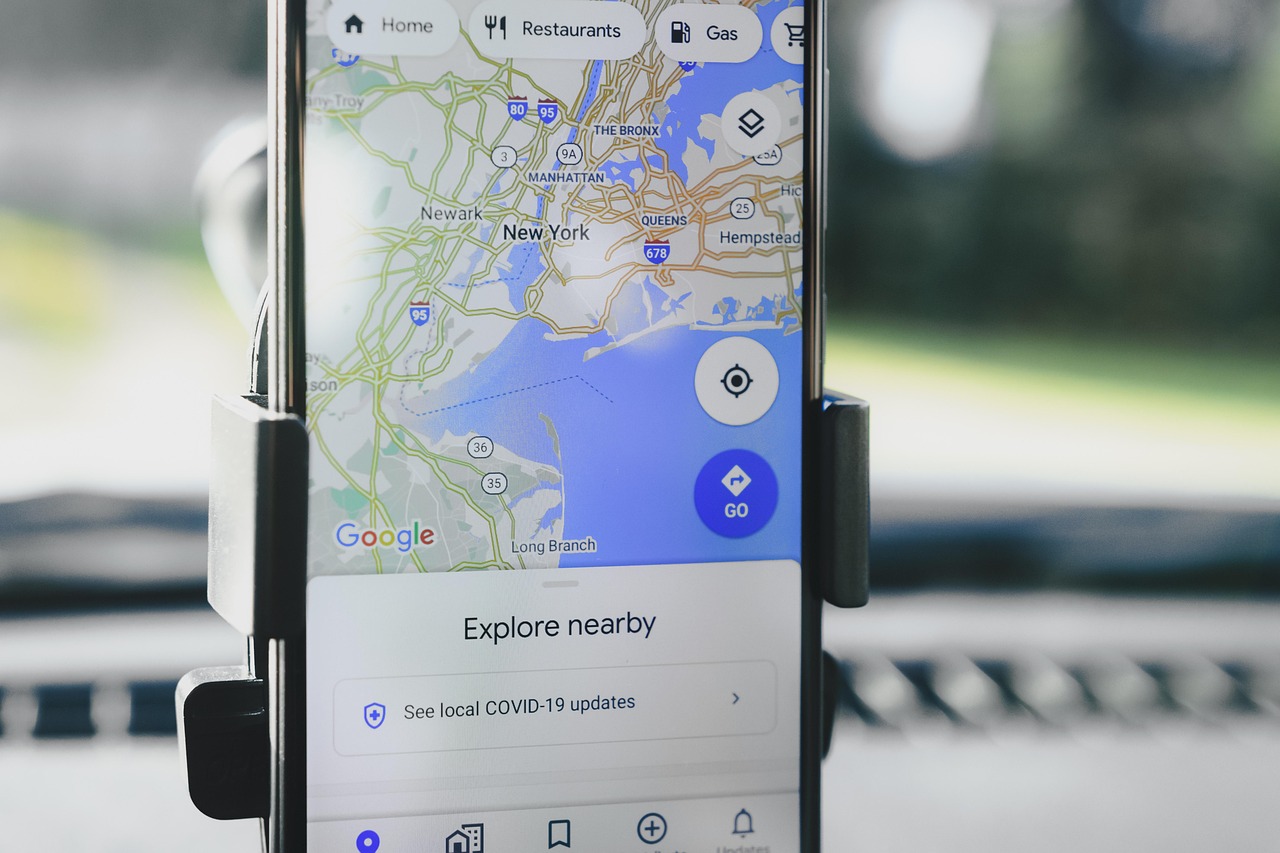
With advancements in mobile technology, augmented reality (AR) and virtual reality (VR) are becoming more accessible and integrated into mobile applications. In 2022, we can expect a surge in mobile apps that offer immersive AR and VR experiences, transforming the way users interact with their devices.
For example, retail apps can use AR to allow users to visualize products in their homes before making a purchase, while educational apps can offer VR experiences that transport users to different environments for a more engaging learning experience. As these technologies continue to advance, the possibilities for their application in mobile apps are limitless.
10. Voice-Activated Interfaces
Voice-activated interfaces are becoming increasingly popular, thanks to the rise of virtual assistants like Siri, Alexa, and Google Assistant. In 2022, more mobile apps will incorporate voice recognition technology to provide users with a hands-free and more intuitive way to interact with their apps.
Voice-activated interfaces can enhance accessibility for users with disabilities, as well as offer convenience for those on the go. For instance, navigation apps can use voice commands to provide directions, while productivity apps can allow users to create and manage tasks using voice inputs. As voice recognition technology continues to improve, its integration into mobile apps will become more widespread.
11. Personalization and Predictive Analytics
In today’s competitive market, providing a personalized user experience is crucial for mobile app success. In 2022, we can expect mobile apps to use advanced analytics and machine learning algorithms to deliver highly personalized content and experiences to users.

By analyzing user behavior and preferences, apps can offer tailored recommendations, content, and services that meet individual needs. For example, streaming apps can suggest shows and movies based on viewing history, while shopping apps can provide product recommendations based on previous purchases. This level of personalization not only enhances user satisfaction but also boosts engagement and retention.
12. Sustainability and Eco-Friendly Apps
As environmental concerns become more pressing, there is a growing demand for sustainable and eco-friendly mobile apps. In 2022, we can expect more apps to focus on promoting sustainability by helping users reduce their carbon footprint and make environmentally conscious choices.
For instance, apps that track and encourage sustainable practices, such as reducing energy consumption or minimizing waste, will become more popular. Additionally, apps that provide information on eco-friendly products and services will help users make more informed decisions. By incorporating sustainability into their design and functionality, mobile apps can play a significant role in promoting a greener future.
To delve deeper into future trends, explore resources from McKinsey Digital Insights.
Takeaways
The landscape of mobile app development is rapidly evolving, with emerging trends offering new opportunities and challenges for developers and businesses alike. As we move through 2022, the integration of cutting-edge technologies like 5G, AI, and blockchain will redefine what mobile apps can achieve, providing users with more dynamic, personalized, and secure experiences.
By staying ahead of these trends, developers can create apps that not only meet user expectations but also push the boundaries of innovation. As mobile technology continues to advance, the potential for mobile apps to transform industries and enhance daily life is limitless. Embracing these trends will be key to unlocking the full potential of mobile applications in the coming year and beyond.







Leave a Reply